
Vehicle Maintenance
Fleet maintenance compliance under 49 CFR Part 396 — systematic inspection, repair, and maintenance programs, annual inspections, DVIRs, brake requirements, and strategies to reduce vehicle out-of-service rates at roadside.
Compliance+: Monitor your fleet's compliance health with our subscription platform
Who is qualified to perform DOT annual and brake inspections?
It’s no secret those who operate commercial motor vehicles (CMVs) on public highways have a regulatory responsibility to ensure those vehicles are in a safe operating condition at all times. Under federal and many state laws, this is accomplished through a combination of daily driver walkaround inspections (e.g., pre-, post-, and en route inspections) and more thorough periodic inspections conducted by qualified inspectors. Of course, these inspections are critical to minimizing maintenance-rela
 Brandon Wiseman
Keys to a compliant vehicle maintenance file
As a regulated fleet, there's no shortage of records you're required to maintain: driver qualification files, accident registers, insurance info, driver logs, drug/alcohol test results, just to name a few! One particularly important group of documents on that list are those pertaining to the maintenance of your commercial vehicles. Part 396 of the Federal Motor Carrier Safety Regulations compels motor carriers to properly inspect and maintain their equipment and document their efforts to do so
Brandon Wiseman
Spotlight on fleet maintenance
In a recent episode of the Trucksafe LIVE! podcast, host Brandon Wiseman and Brian Runnels, VP of Safety at Reliance Partners, discussed the importance of fleet maintenance and some of the pitfalls when it is not handled appropriately. Wiseman and Runnels noted that fleet maintenance is essential for the safety of drivers and the public, as well as for the profitability of trucking companies. They pointed to recent cases where maintenance problems have led to accidents, injuries, and fatalities.

FMCSA to require periodic inspections of rear impact guards
The FMCSA has published a final rule requiring carriers to inspect rear impact guards as part of their annual vehicle inspections.
Brandon Wiseman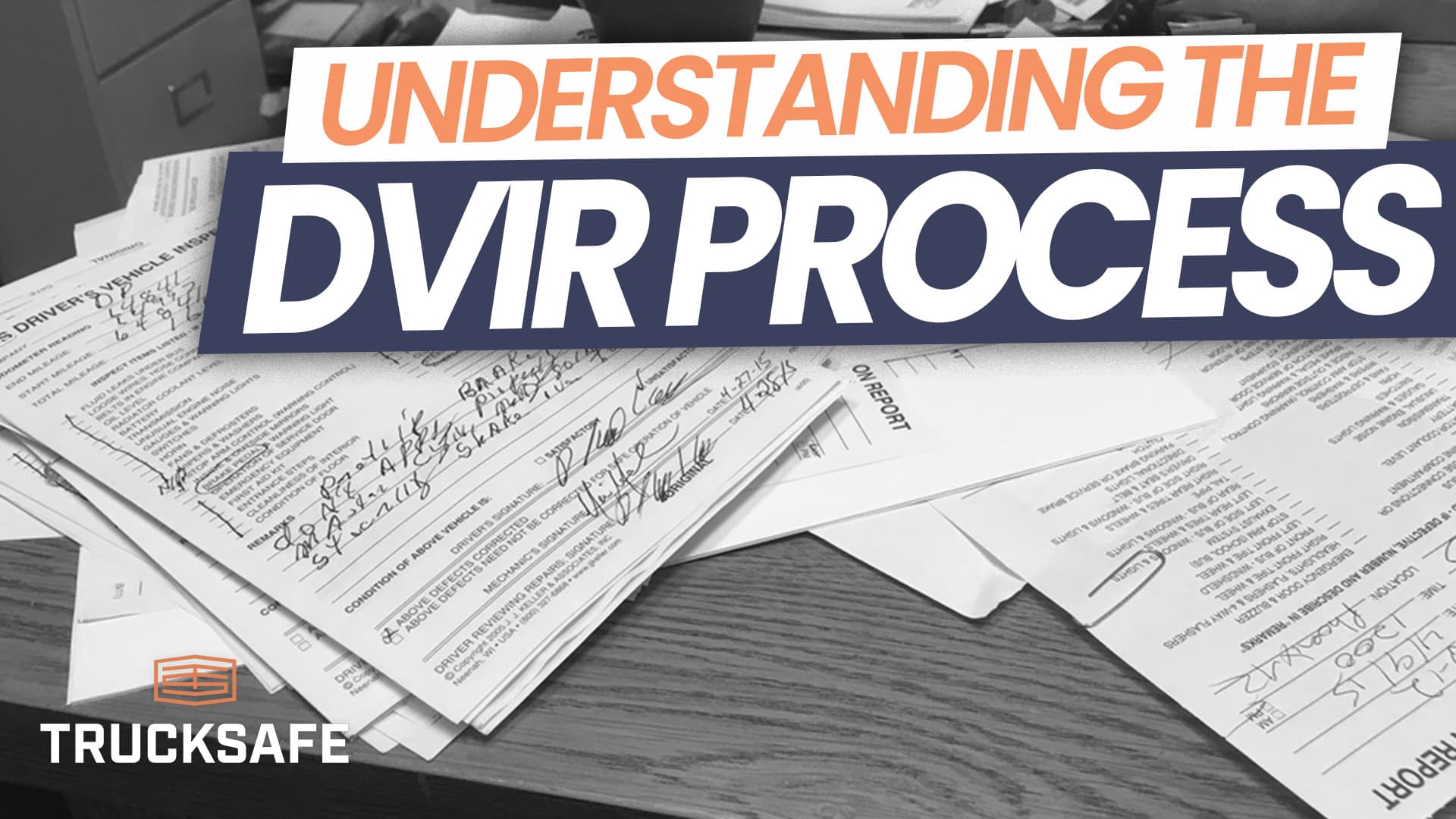
Understanding the Driver Vehicle Inspection Report (DVIR) process
The Driver Vehicle Inspection Report (DVIR) process continues to be a pain-point for many motor carriers and can lead to violations.
Brandon WisemanNever Miss an Update
Get in-depth DOT compliance articles and breaking regulatory news delivered right to your inbox
Join thousands of safety professionals staying informed on DOT compliance